
By David MacGrandle
When people hear the title of my memoir—Saved by Cancer—they pause, waiting for the punch line. Cancer doesn’t save people, they think. It breaks them. It takes things. It scars and subtracts. And they’re right about the subtraction part. But sometimes what gets carved away is exactly what makes room for grace.
I didn’t start with that insight. When my doctor said the words Diffuse Large B-Cell Lymphoma, my first reaction wasn’t gratitude; it was disbelief. I’d gone in for back pain and come out with a tumor the size of a cantaloupe pressing against my spine. At fifty-eight, I had a good marriage, grown kids, a career I was proud of—and suddenly a calendar filled with scans, chemo cycles, and surgeries that didn’t care about any of it.
The plan sounded simple: six rounds of chemotherapy over four months. That forecast turned out about as accurate as a weather report in tornado season. The months stretched into years. Every time we thought the storm had passed, another front rolled in—diverticulitis, septic shock, heart stents, infections, and finally a cutting-edge CAR-T therapy that used my own re-engineered cells to fight the disease. By then I’d learned that hope never travels in straight lines. It bends, doubles back, and sometimes hides behind detours that make no sense until much later.
The Breaking Down
Cancer broke me down piece by piece. Physically, I lost 150 pounds. My body changed shape, my hair disappeared, and my skin looked like parchment left out in the sun. Professionally, I had to hand off the CFO work I loved to the team I’d built—trusting that the systems and people I’d trained would hold. They did. Personally, I learned what humility tastes like: asking for help, surrendering independence, watching my wife cut curtain rods with a saw so the hospital room we built at home would feel like a bedroom again.
There were nights when I wondered whether survival was worth the price—nights when the machines beeped, the IVs tangled, and I felt less like a patient and more like a plumbing project. Nights when I tried to bargain with God: If You can’t fix this, at least make it mean something.
And that’s where the shift began—quietly, slowly, one prayer at a time.
The Carrying
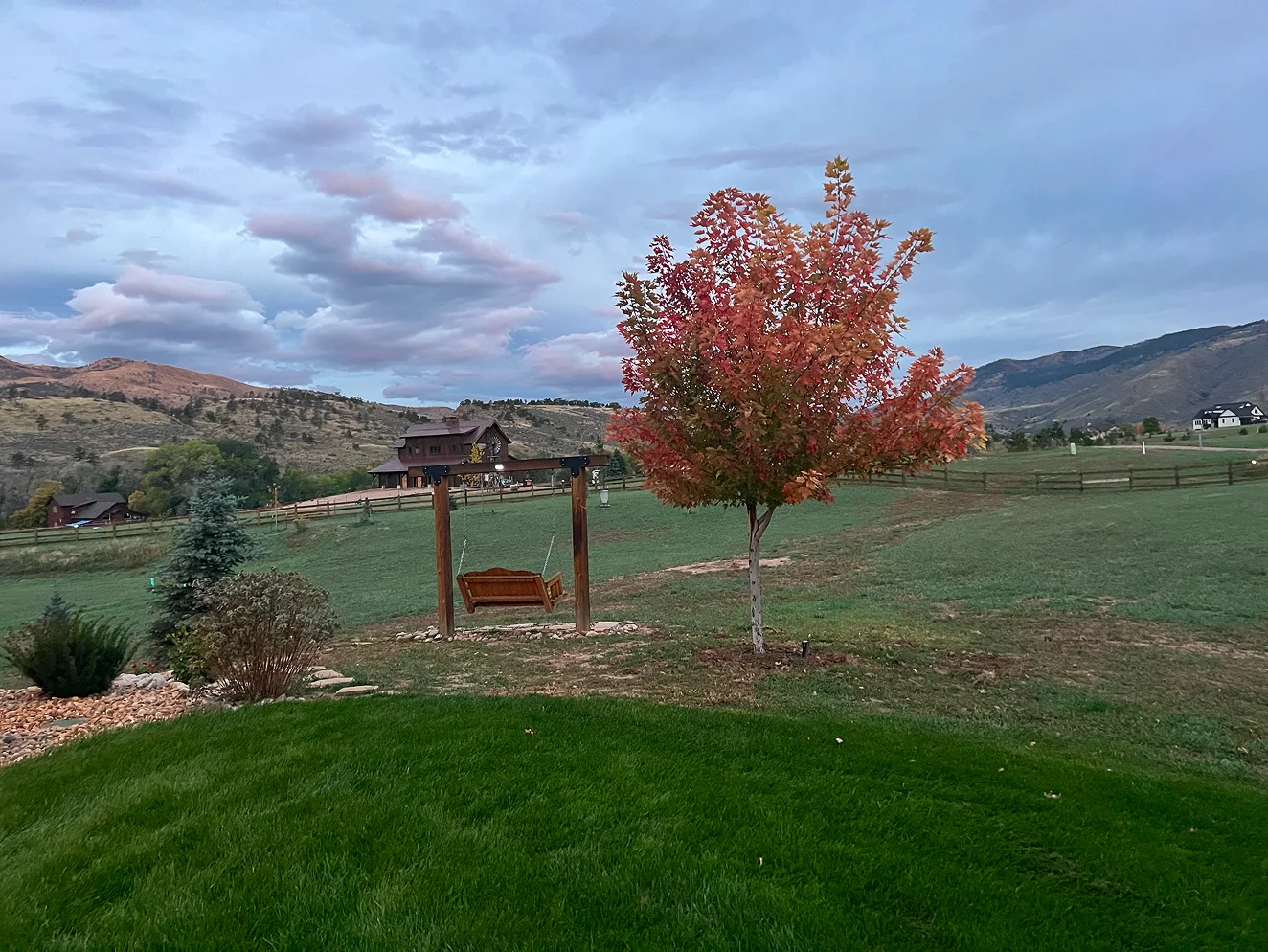
Natalie, my wife, carried me through all of it. She never auditioned for the role of nurse, contractor, pharmacist, or counselor, but she mastered them anyway. She ordered rails, the shower chair, the ramp, the adjustable bed. She gave IV antibiotics at 8 a.m. and 11 p.m. for weeks on end. She took calls from doctors, fought with insurance, and somehow still planted trees in the yard.
I used to tease that she was always building something—furniture, projects, gardens—while I was stuck learning how to walk again. But looking back, those projects were her prayers. Every new tree, every refinished shelf was Natalie’s way of saying, We’re still here. We’re still growing.
Cancer revealed something extraordinary about love: it’s not grand speeches or candlelight vigils. It’s the quiet efficiency of someone who refuses to leave your side, even when you’re at your least dignified. Especially then.
The Unexpected Gifts
Cancer stripped me of everything that didn’t matter and handed me a few things that did.
It forced me to fix what was broken before it could kill me. Without the scans and bloodwork, doctors never would have found the 95 percent blockage in my heart or the gallbladder that had quietly turned traitor. Those surgeries—painful, exhausting—ended up saving me twice over.
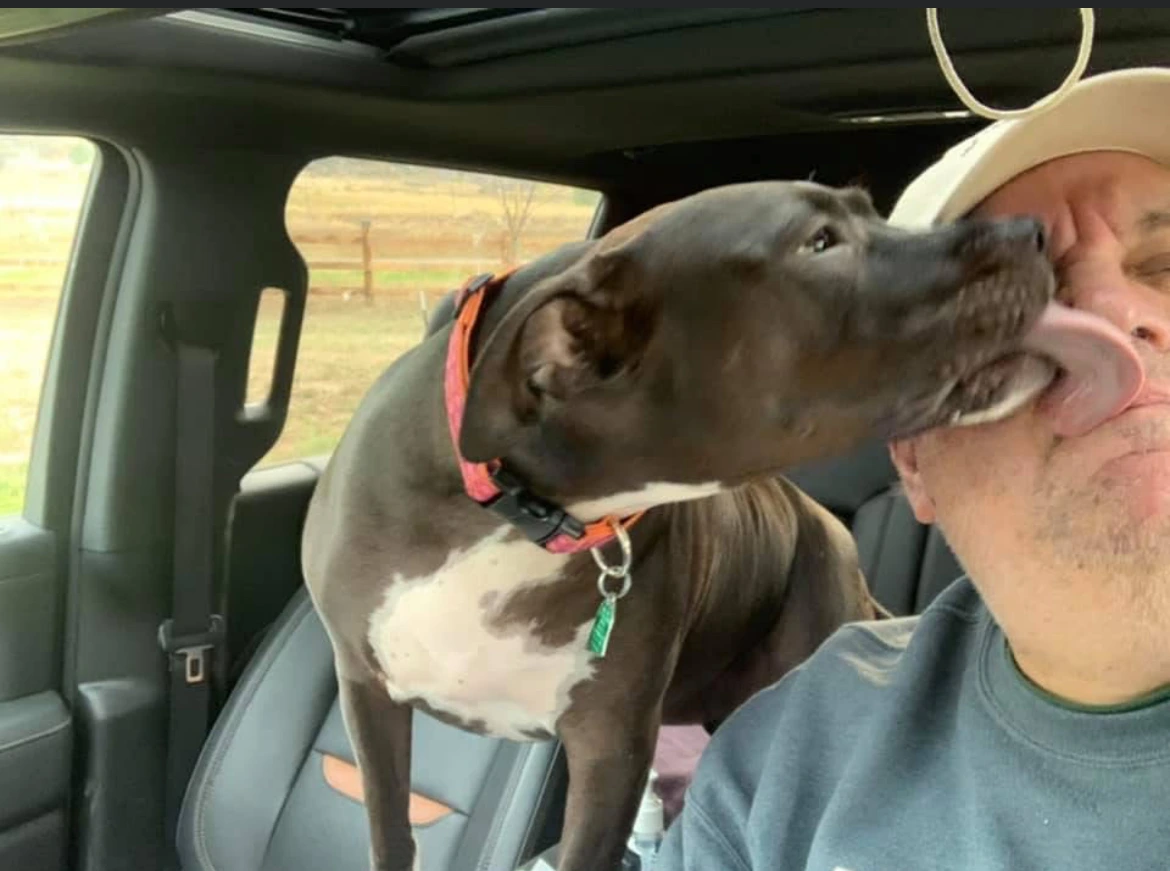
It forced me to listen. For decades I moved fast—emails, board decks, quarterly calls. Cancer slowed me enough to hear small sounds again: my son’s laugh from another room, the click of our dog’s nails on the floor, Natalie humming while she worked outside. When life narrows to breath-by-breath living, every sound becomes sacred.
It gave me gratitude. Not the vague kind you say at Thanksgiving, but the bone-deep kind that sneaks up at 3 a.m. when you realize you’re still breathing. Gratitude for modern medicine, for nurses with humor, for the chaplain who prayed over my re-engineered cells, and for the small mercy of another sunrise.
The Faith Part
I grew up Catholic. I’ve never been a theologian, but I’ve always believed that faith and medicine aren’t enemies—they’re partners. During radiation I prayed the Lord’s Prayer and a Hail Mary every session. I added a call to Saint Giuseppe Moscati, the patron saint of modern medicine, asking him to guide the hands controlling the machine.
What still amazes me is that my science-fiction-level therapy—cells shipped to a lab, reprogrammed, and reinfused—shared the same foundation as that prayer: faith that something unseen was at work for my good. I don’t claim miracles lightly, but I believe faith steadied the doctors, and the science answered the prayer.
The New Normal
When I reached remission, there was no bell to ring, no crowd to applaud. Just Natalie and me, walking out of a hospital for the last time. Side by side. Quiet.
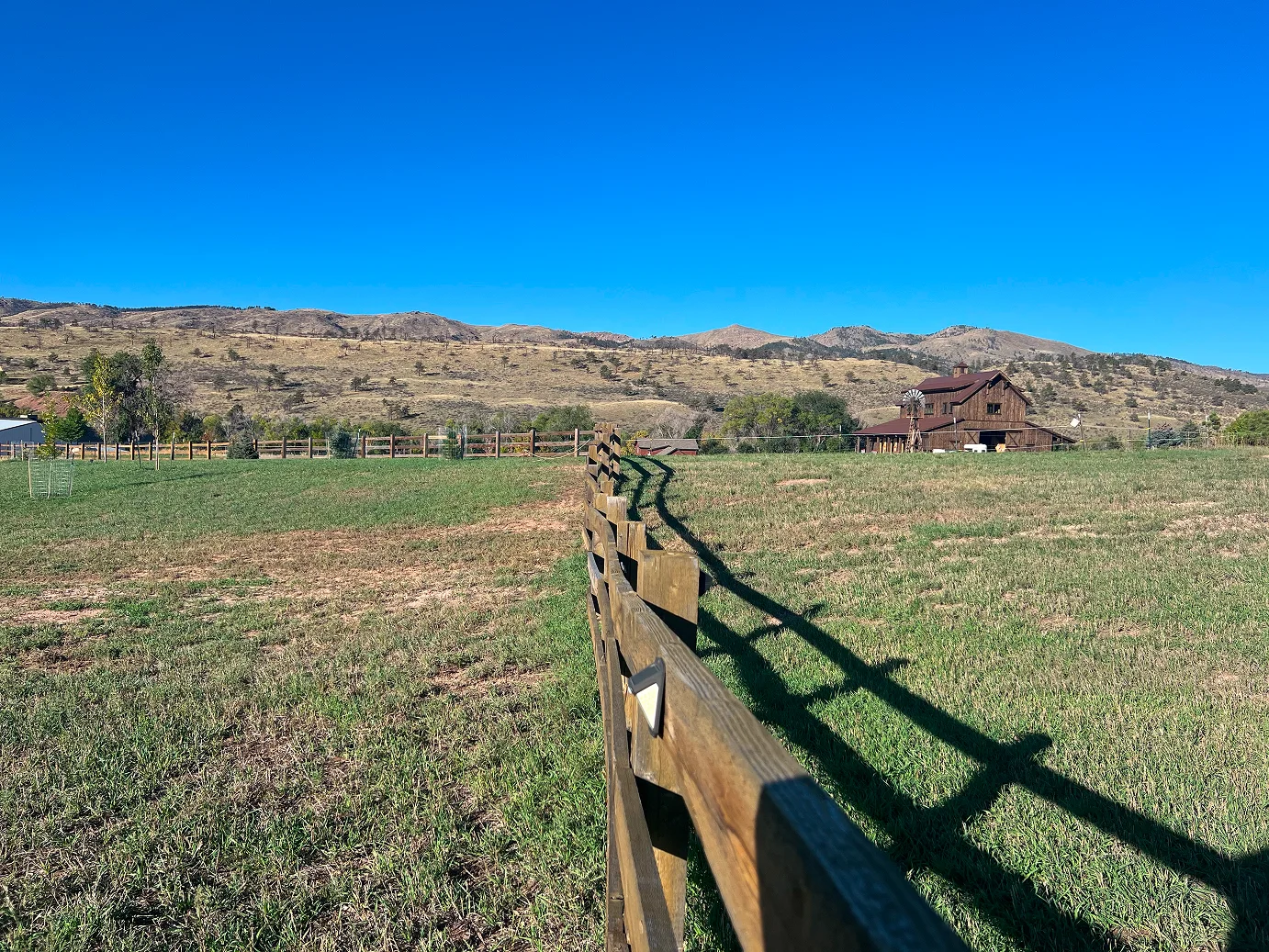
The world didn’t look different, but I did. I was alive, yes, but not the same. I’d been remade. My scars mapped the journey like fence posts marking a crooked line across a field—imperfect, permanent, and somehow still standing.
People ask how I stay positive after all that. I tell them positivity has nothing to do with it. Gratitude does. Humor does. Faith does. I laugh more easily now, cry more freely, and try harder to forgive. I pray every night, not with eloquence but with honesty: Thank You for another day. Please help me use it well.
What Cancer Saved
So how exactly did cancer save me?
It saved me from rushing through my own life.
It saved me from mistaking success for meaning.
It saved me from thinking control equals strength.
It saved me from silence by teaching me to tell the story.
And most of all, it saved me by proving that love—real, ordinary, daily love—is the most powerful medicine there is.
I wouldn’t recommend the path, but I’m grateful for the view from here. My body is lighter, my faith deeper, my patience longer, my marriage stronger. Cancer didn’t just take; it transformed.
I still have follow-ups, labs, and the occasional fear that whispers, What if it comes back? But I’ve learned to answer that voice with truth: Then I’ll fight again. Because I know now that fighting and living aren’t opposites—they’re synonyms.
Still Standing
In our backyard, the crooked cedar fence I built before my diagnosis still leans at odd angles. Storms have beaten it, snow has buried it, wind has tried to pull it apart. But it stands. Imperfect, uneven, solid. Every time I look at it, I see myself.
Hope doesn’t come in straight lines. But it still finds its way home.
And that’s how I was saved by cancer.
Author Bio
David MacGrandle is a finance executive, board director, and author of Saved by Cancer: Hope Doesn’t Come in Straight Lines (forthcoming 2026). He and his wife, Natalie, live in Masonville, Colorado, where their crooked fence still stands.
? david@macgrandle.com | ? SavedByCancer.com | @SavedByCancer
Follow Us: